





Maintaining a commercial property is about more than keeping it clean—it also means protecting your investment and creating a positive first impression.
Hiring professional painters can make a significant difference in the quality, durability, and efficiency of your commercial repainting project. Whether you own an office building, retail space, warehouse, medical facility, or apartment complex, careful planning and budgeting are essential to achieving long-lasting results.
A commercial property’s appearance says a lot about the business behind it. Fresh paint not only enhances curb appeal but also protects the building from weather damage, moisture, UV exposure, and everyday wear. When planned properly, repainting is an investment that improves both aesthetics and the long-term value of your property.
Why Commercial Repainting Matters
Commercial buildings are constantly exposed to harsh weather conditions, pollution, and heavy foot traffic. Over time, paint naturally fades, cracks, or peels, leaving exterior materials vulnerable to deterioration.
Repainting your building offers several important benefits. It creates a strong first impression for customers and clients, protects exterior surfaces from weather-related damage, increases property value, improves employee and tenant satisfaction, and reduces long-term maintenance and repair costs.
Waiting too long to repaint often results in more expensive repairs, making routine painting an important part of any commercial property maintenance plan.
Signs Your Building Needs Repainting
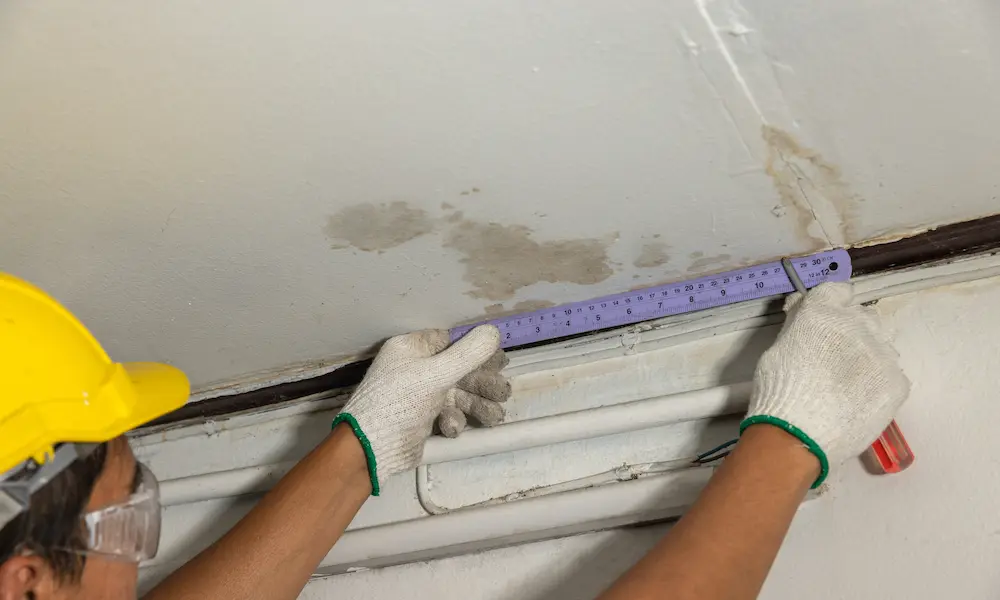
It’s important to recognize when your property is due for a new coat of paint. Common signs include peeling, flaking, or blistering paint, noticeable fading or discoloration, visible mold or mildew, and cracks or damage on exterior surfaces. Addressing these issues promptly can prevent more extensive and costly repairs.
Budget Considerations Before Starting
Every commercial painting project is different, but commercial property owners should budget for much more than simply purchasing paint.
1. Surface Preparation
Proper preparation is one of the most important steps in achieving a durable finish. Depending on the condition of your building, preparation may include:
● Pressure washing
● Scraping loose or peeling paint
● Repairing damaged stucco, siding, or wood
● Filling cracks and holes
● Applying primer where needed
Skipping preparation may save money initially, but it often leads to premature paint failure and additional repair costs later.
2. Paint Quality
Choosing premium commercial-grade paint may increase the upfront cost, but it usually provides better coverage, longer-lasting color, and greater resistance to weather and fading. Investing in quality materials often extends the life of the paint job, reducing future maintenance expenses.
3. Building Size and Accessibility
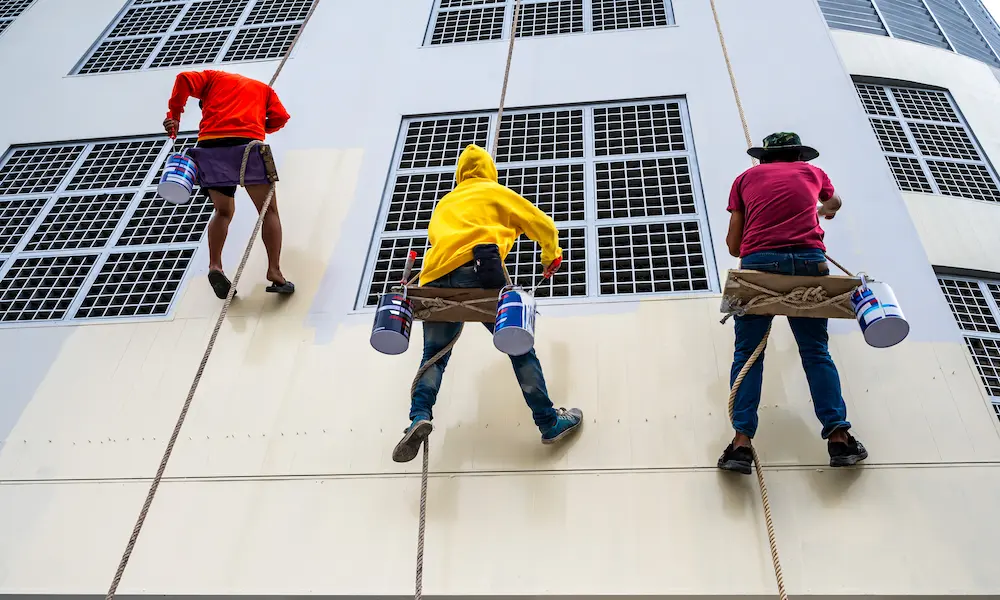
The size and design of your building play a major role in determining project costs. Multi-story buildings, hard-to-reach areas, intricate architectural details, or structures requiring scaffolding or aerial lifts will typically require additional labor and specialized equipment.
4. Scheduling Around Business Operations
Many businesses remain open while repainting is underway. Property owners, especially landlords, should consider whether work needs to be completed after business hours, during weekends, or in carefully planned phases to minimize disruptions to customers, tenants, or employees.
Choosing the Right Paint Colors
Selecting the right color scheme involves more than personal preference. Commercial property owners should consider brand identity, building architecture, local community standards, climate and sun exposure, and long-term maintenance requirements.
Neutral colors often provide a timeless appearance while requiring less frequent touch-ups. Accent colors can reinforce branding without overwhelming the property’s overall look.
Color Psychology in Commercial Spaces
Color choices can influence the mood and perception of both customers and employees. For example, blues and greens can create a calming atmosphere, while reds and yellows may energize a space and attract attention. Choosing colors that align with your business goals can enhance customer experience and reinforce your brand identity.
Plan for Long-Term Maintenance
A successful commercial painting project doesn’t end once the last coat dries. Establishing a routine maintenance schedule helps maximize the lifespan of your investment.
Regular inspections can identify:
- Hairline cracks
- Water intrusion
- Peeling or blistering paint
- Areas beginning to fade
- Minor damage before it becomes costly
Preventative maintenance helps extend the life of exterior coatings and reduces the likelihood of major restoration work.
Why Experience Matters
Commercial painting projects require more than brushes and rollers. They involve safety compliance, specialized equipment, project coordination, and careful planning to minimize disruptions while delivering consistent, high-quality results.
Experienced painting contractors understand how to prepare different building materials properly, recommend coatings suited to local weather conditions, and complete projects efficiently without compromising quality. Choosing an experienced team often leads to longer-lasting finishes and better value over the life of the building.
Final Thoughts
Repainting a commercial property is one of the most effective ways to protect your investment while improving its appearance and preserving its value.
By budgeting for proper surface preparation, high-quality materials, and experienced contractors, property owners and landlords can avoid unnecessary repair costs and enjoy durable, professional results.
With thoughtful planning and the right painting partner, your commercial property will continue to make a positive first impression while remaining protected for years to come.