





The Hidden Leak Tax: How Undetected Plumbing Problems Drain Business Profits

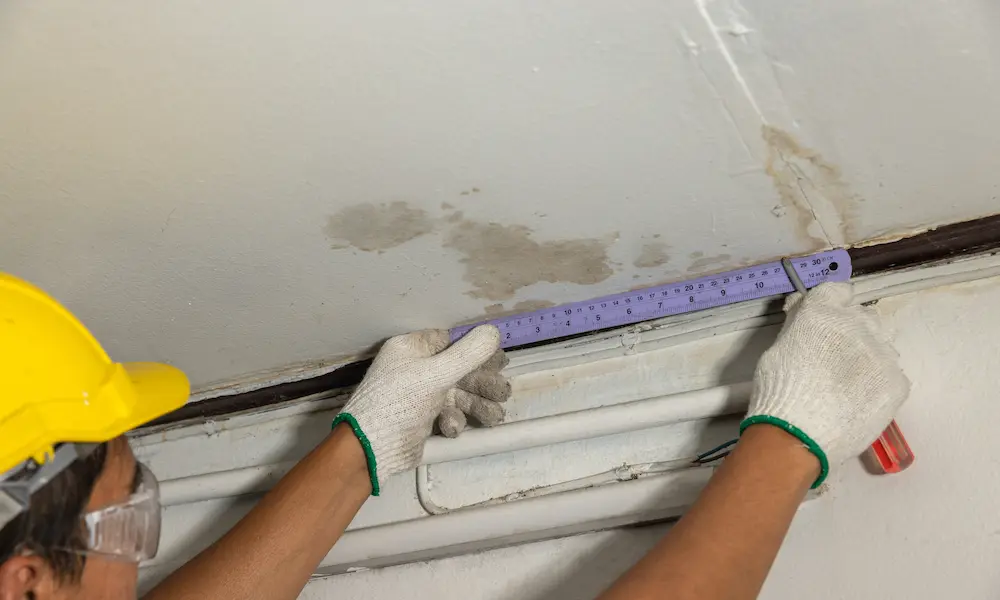
A plumbing leak does not have to cause a visible flood to harm a business. A slow leak behind a wall, beneath a floor, or in a water-using appliance can increase utility costs, damage finishes and equipment, interrupt operations, and complicate a future property transaction. The financial effect depends on the leak’s location, duration, and cause, but early detection generally gives a business more options to limit damage and document what happened. Even small leaks can quietly erode profits and property value.
Why a Minor Leak is a Major Business Risk
Early signs may be easy to dismiss: an occasional drip beneath a sink, a musty odor in a storage area, discoloration on a ceiling, or damp flooring with no obvious source. Those signs deserve prompt attention because water can travel away from the failed pipe or fixture before it becomes visible. Delayed investigation may allow moisture to reach insulation, drywall, flooring, inventory, or electrical and mechanical equipment.
The Evolving Threat of a Small Drip
A slow leak may release only a modest amount of water at first, but repeated exposure can saturate porous materials and enlarge the affected area. The severity of resulting damage varies with the material, ventilation, temperature, and length of exposure. Fixing the source early is usually simpler than repairing the source after surrounding materials have also deteriorated.
The Financial Drain: Beyond the Obvious Water Bill
A higher water bill may be the first measurable cost, but it is not the only one. A business may also incur expenses for drying equipment, removal of damaged materials, restoration work, environmental assessment, replacement inventory, and temporary relocation. These costs should be tracked separately from the plumbing invoice so the business can understand the full loss and preserve records for possible insurance or contract issues.
A simple spreadsheet or checklist can help organize and document these expenses as they occur. For example, create columns for the date, description of the cost or loss, amount, vendor or provider, related invoices, photographs, and insurance or lease reference numbers. Keeping this organized record makes it easier to submit accurate claims and review the financial impact of the incident.
First Warning Sign: Unexplained Changes in Water Usage
An unexplained increase in water use can indicate a leak, although seasonal demand, cleaning, irrigation, production changes, and equipment use should also be considered. EPA WaterSense guidance for commercial facilities recommends comparing at least 12 months of water and energy bills and checking meters or submeters during low-use periods. Continued flow when normal demand is minimal may justify a closer inspection.
Decoding Your Water Bill
A useful review compares the same billing periods from year to year, not just the most recent two bills. Note changes in occupancy, operating hours, production, landscaping, or equipment before assuming that a leak is responsible. When practical and safe, record the meter reading when water-using operations are inactive, wait for a defined period, and check it again. A continuing change may point to a leak or equipment malfunction, but a qualified professional may be needed to identify the source.
The Silent Culprit: What’s Using All That Water?
Common sources include a toilet flapper that does not seal, a leaking supply connection, a damaged irrigation line, a malfunctioning ice machine, or a pipe concealed behind a wall or below a slab. Some leaks are intermittent and appear only when equipment runs or pressure changes. Others involve drainage or condensate and may not produce a noticeable increase on the water bill. That is why billing data should be considered together with odors, staining, pressure changes, sounds, and visible moisture.
How Hidden Leaks Quietly Increase Operating Expenses
The cost of a hidden leak can spread across several accounts. Water and sewer charges may rise, maintenance staff may spend time locating the problem, damaged areas may need drying and repair, and normal operations may have to move or pause. The actual impact depends on the business, but even a limited leak can become expensive when it affects customer areas, specialized finishes, or critical equipment.
The Energy Drain of Dampness
Moisture and heat flow are related aspects of building-envelope performance. The U.S. Department of Energy notes that moisture can change the thermal resistance and heat-storage characteristics of building materials. That does not mean every leak will noticeably increase an energy bill; the effect depends on the affected material, area, climate, and HVAC system. Separate energy use may also result from fans, dehumidifiers, or temporary climate control used during drying.
The Cost Beyond the Repair Invoice
Repairing the failed pipe or fixture may address the source without restoring the area around it. Drywall, insulation, cabinetry, flooring, ceiling tiles, or coatings may need cleaning, drying, testing, or replacement. The business should distinguish emergency plumbing work from later restoration and keep photographs, invoices, moisture readings, and a chronology of discovery and response.
The Ripple Effect on Equipment
Many businesses rely on water-connected equipment, including commercial kitchens, laboratories, manufacturing lines, medical offices, and cooling systems. A leak may interfere with pressure or performance, damage nearby components, or require equipment to be taken out of service. Before restarting affected equipment, follow the manufacturer’s instructions and obtain appropriate technical or safety review when water may have reached electrical parts.
Damage to Building Materials and Structure
Stopping the leak is only the first step when water has been present for an extended period. The affected area should be evaluated to determine what can be dried and retained and what must be removed. The scope should be based on the materials involved and measured conditions rather than on visible staining alone.
Material Degradation and Replacement
Water can swell wood products, weaken some finishes, corrode metal, and cause drywall or ceiling materials to lose integrity. The U.S. Environmental Protection Agency’s moisture-control guidance explains that controlling water intrusion protects building components and reduces moisture-related problems. (Agency, 2013) Damage is not uniform, however; the source, contamination level, exposure time, and material condition all affect whether cleaning, drying, repair, or replacement is appropriate.
The Specter of Mold and Mildew
Mold growth is a potential consequence of persistent moisture, not an automatic result of every leak. EPA guidance identifies moisture control as the key to mold control and recommends drying damp materials promptly. Mold exposure may be associated with allergic reactions, asthma, and other respiratory complaints, but health effects vary, and research remains ongoing. (Can mold cause health problems?, 2025) If an HVAC system may be contaminated as part of the moisture problem, EPA recommends professional evaluation rather than assuming routine duct cleaning will solve it.
Structural Integrity Compromised
Long-term or severe water exposure can contribute to deterioration of structural materials, but a stain or isolated wet area does not by itself establish structural failure. Sagging, movement, widespread decay, exposed corroded supports, or uncertainty about load-bearing components may justify review by a qualified engineer or other appropriate building professional. The goal is to assess the actual condition before removing or reopening structural assemblies.
How Water Damage Can Interrupt Daily Operations
Water damage can close part of a facility, restrict access, interfere with sanitation, or make equipment and inventory unavailable. The interruption may produce lost sales, delayed work, relocation expenses, and customer-service problems. Businesses should document both physical damage and operational effects because commercial property and business-income coverage, when available, generally turns on the policy language, a covered cause of loss, and the required connection between property damage and suspended operations.
Forced Closures and Downtime
The scale of downtime depends on where the leak occurs and what must be repaired. A wet stockroom may affect inventory, while damage in a kitchen, clinic, server room, or customer area may prevent normal use of that space. A business should first protect people from electrical, slip, contamination, or structural hazards, then limit further damage when it is safe to do so and arrange professional assessment.
Reduced Employee Productivity and Morale
Persistent odors, visible moisture, noise from drying equipment, and restricted work areas can reduce comfort and productivity. Employers should also take credible health and safety concerns seriously.
The Occupational Safety and Health Act’s General Duty Clause requires employers to provide a workplace free from recognized hazards likely to cause death or serious physical harm. (OSH Act of 1970 | Occupational Safety and Health Administration, 1970)
OSHA has no specific federal indoor air quality or mold exposure standard, so the application of federal law depends on the actual conditions and whether a recognized serious hazard exists. State occupational-safety plans or other rules may add requirements.
Damage to Sensitive Equipment and Inventory
Water can damage electronics, packaging, paper records, food products, medical supplies, and other moisture-sensitive property. Some effects appear later through corrosion or contamination. Move unaffected property away from the area when it is safe, avoid energizing wet electrical equipment, preserve damaged items when an insurer or other party may need to inspect them, and keep an inventory of losses.
The Connection Between Plumbing Problems and Property Value
A history of water intrusion does not automatically determine a commercial property’s value. Federal banking agencies’ appraisal guidelines state that market value should consider the property’s actual physical condition and that an institution may need inspection or research to verify that condition. Accordingly, unresolved moisture or incomplete repair records may affect appraisal or lending review, depending on the transaction.
The Visual Deterioration Factor
Stains, warped flooring, peeling finishes, and odors can signal deferred maintenance or unresolved moisture and may prompt further inspection. Correcting the source, restoring the affected area, and retaining inspection and repair records can help a future reviewer distinguish past damage from an active problem.
The Underlying Health of the Building
A careful inspection may look beyond finishes for concealed moisture, damaged framing, corroded components, or mold in enclosed cavities. The finding should be evaluated in context rather than treated as proof that the entire building is compromised. Where the extent is uncertain, targeted openings, moisture mapping, or professional assessment may be more useful than broad demolition.
Insurance and Financing Hurdles
Water damage may affect insurance underwriting or the collateral valuation used in a credit decision, but higher premiums, denied coverage, or an adverse lending decision are not automatic.
Federal banking agencies’ appraisal guidelines direct institutions to consider a property’s actual physical condition when estimating collateral value. (Interagency Appraisal and Evaluation Guidelines, 2010)
Commercial property and business-income policies also vary, and coverage depends on the cause of loss, exclusions, limits, deductibles, notice, and other terms.
The National Association of Insurance Commissioners advises businesses to read policy terms carefully, document assets and losses, and review lease provisions because a landlord’s insurance may not cover the tenant’s property. (Renter’s Insurance: What Tenants Should Know, n.d.)
Flood is also treated differently from an internal plumbing leak and often requires separate coverage.
Why Hidden Leaks Are Difficult to Locate
Concealed leaks are difficult to find because pipes run behind finishes, through framing, and under slabs. Water may follow gravity, pipe surfaces, insulation, or construction joints before appearing elsewhere. The first visible wet spot may therefore identify the affected area without identifying the failed component.
The Obstacles Within the Structure
Locating a leak may require separating the source from the path the water traveled. This process may involve a plumbing provider such as Prime Plumbing & Drains when pressure testing or targeted access is needed. Access may still be required when the suspected source is concealed or when testing cannot distinguish among nearby pipes and fixtures.
The Deceptive Nature of Water
A leak from an upper floor may appear along a wall, ceiling penetration, or pipe chase some distance away. Condensation, roof intrusion, drainage failures, and plumbing leaks can also create similar symptoms. A sound investigation considers alternative sources instead of repairing the first damp location without confirming the cause.
Small Scale, Large Impact
A pinhole leak or intermittent drip may be difficult to hear and may not produce an immediate billing spike. Over time, repeated wetting can enlarge the affected area and create secondary damage. Prompt reporting of small warning signs is therefore important even when the source is not yet obvious.
How Non-Invasive Leak Detection Reduces Unnecessary Damage
Non-invasive and minimally invasive tools can help narrow the search area before finishes are opened. Their value is in reducing guesswork, not guaranteeing that every leak can be located without access. The appropriate method depends on the pipe material, pressure, building assembly, and suspected source.
The Power of Technology
Acoustic equipment can detect sounds or vibrations associated with pressurized leaks, while infrared cameras display surface-temperature patterns that may be consistent with wet materials.
Moisture meters provide qualitative or calibrated readings in selected materials, and flow-monitoring devices can identify abnormal or continuous use.
NIST cautions that infrared patterns may also result from differences in construction or thickness and must be interpreted carefully.
EPA explains that leak-detection devices use different technologies, including moisture detection and flow monitoring, and provides guidance on device selection and maintenance.
Minimizing Disruption and Cost
When testing narrows the likely source, technicians can plan smaller access openings and more focused repairs. That can reduce unnecessary demolition, but it does not eliminate the possibility that exploratory access or additional testing will be required. A written scope that separates detection, plumbing repair, drying, and finish restoration can help control costs and responsibilities.
Protecting Your Property’s Integrity
Targeted investigation helps preserve unaffected finishes and limits the number of areas disturbed. It also creates an opportunity to document moisture readings before and after drying. Where hazardous materials, contaminated water, or structural components may be involved, the work plan should account for applicable safety requirements and qualified specialists.
Building Leak Detection Into a Preventive Maintenance Strategy
Leak detection is most effective when it is part of routine facility management rather than only an emergency response. EPA WaterSense recommends tracking utility data, checking meters during low-use periods, adding leak detection to facility rounds, and using monitoring or shutoff devices on major water-using equipment where appropriate.
The Proactive Approach Pays Dividends
Periodic reviews can identify worn fixtures, corroded connections, abnormal flow, or recurring dampness before a major failure occurs. The scope and frequency should reflect the building’s age, prior leaks, pipe materials, occupancy, and dependence on water-using equipment. Preventive work reduces risk but cannot guarantee that a hidden failure will not occur.
Scheduled Inspections: A Cost-Effective Measure
The value of scheduled inspection should be judged against the facility’s actual risk rather than an unsupported promise of fixed savings. A basic program may include reviewing bills, checking accessible pipes and fixtures, testing shutoffs and alarms, and documenting recurring trouble spots. More extensive testing may be justified after prior losses, unexplained usage, renovations, or changes in operations.
Training Staff to Be Vigilant
Employees and tenants often notice odors, dampness, sounds, pressure changes, or running fixtures before maintenance personnel does. Provide a clear reporting method and identify who can authorize emergency shutoff or professional service.
After a suspected leak is reported, protect people, limit additional damage when safe, photograph the condition, notify the owner, landlord, property manager, or insurer as appropriate, and preserve records. A commercial lease may contain repair and notice duties, so both owner and tenant should review the applicable agreement and any relevant state or local requirements.
Turning Plumbing Maintenance Into Business Protection
Plumbing maintenance protects more than the pipe system. It supports continuity, asset preservation, workplace safety, and reliable records for insurance, lease, or transaction questions. The strongest approach combines early reporting, qualified diagnosis, prompt repair, measured drying, and documentation.
Safeguarding Your Assets
Owners should maintain the building systems under their control and verify that contractors address both the leak source and resulting damage. Tenants should not assume that the landlord’s insurance covers their inventory, equipment, or lost income. The lease and insurance policies should be reviewed before a loss when possible, and uncertainty about responsibility should not delay reasonable steps to prevent additional damage.
Ensuring Operational Continuity
A response plan should identify shutoff locations, emergency contacts, critical equipment, alternate work areas, and records needed to support a claim. Including a simple checklist or response template makes it easier for business owners and staff to respond effectively when an incident occurs.
Response Checklist
A response checklist might include:
- Location of main water shutoff valves
- List of emergency contacts (internal staff, building manager, plumber, insurer)
- Steps for safely shutting off utilities, if required
- Critical equipment and areas to prioritize for protection
- Where to relocate essential operations or inventory if necessary
- Documentation process: taking photos, keeping records of damage and communication
- Templates for reporting damage and filing insurance claims
Business-income coverage may help with certain losses after a covered property event, but it is not automatic and may include waiting periods, limits, and exclusions. Accurate financial records are important because the amount of a covered business-income loss is typically tied to the business’s documented operations.
A Commitment to Long-Term Stability
Consistent maintenance cannot eliminate every plumbing failure, but it can improve detection, reduce avoidable delay, and produce clearer records when a loss occurs. Businesses that monitor water use, train staff, maintain shutoffs and equipment, and respond promptly are better positioned to protect property and resume operations. The practical objective is not perfect prevention; it is controlled risk, timely action, and informed decisions.
Frequently Asked Questions
What are common signs of a hidden plumbing leak?
Common signs include unexplained increases in water use, musty odors, damp flooring, ceiling or wall discoloration, pressure changes, running fixtures, and moisture appearing far from the actual source.
How can a business use its water bill to identify a possible leak?
Compare the same billing periods from year to year and account for changes in occupancy, operating hours, irrigation, cleaning, production, and equipment use. Meter readings taken during low-use periods may also reveal continuous flow that warrants further investigation.
Can leak-detection tools locate every hidden leak without opening walls or floors?
No. Acoustic equipment, infrared cameras, moisture meters, and flow-monitoring devices can narrow the search area. Still, their effectiveness depends on the pipe material, pressure, building construction, type of leak, and the technician’s interpretation. Limited access or additional testing may still be necessary.
Does commercial insurance automatically cover damage from a plumbing leak?
No. Coverage depends on the cause of the loss, policy language, exclusions, limits, deductibles, notice requirements, and other terms. Flooding may also require separate coverage, and a landlord’s policy may not cover a tenant’s equipment, inventory, or lost income.
What should a business do after discovering a possible leak?
The business should protect people from immediate hazards, limit additional damage when it is safe, document the condition, preserve damaged property when inspection may be required, contact an appropriate professional, and notify the owner, landlord, property manager, or insurer as applicable.
Owners and tenants should also review the lease and relevant insurance policies.