





The Role of Specialty Glass in Preserving and Positioning Liquid Products

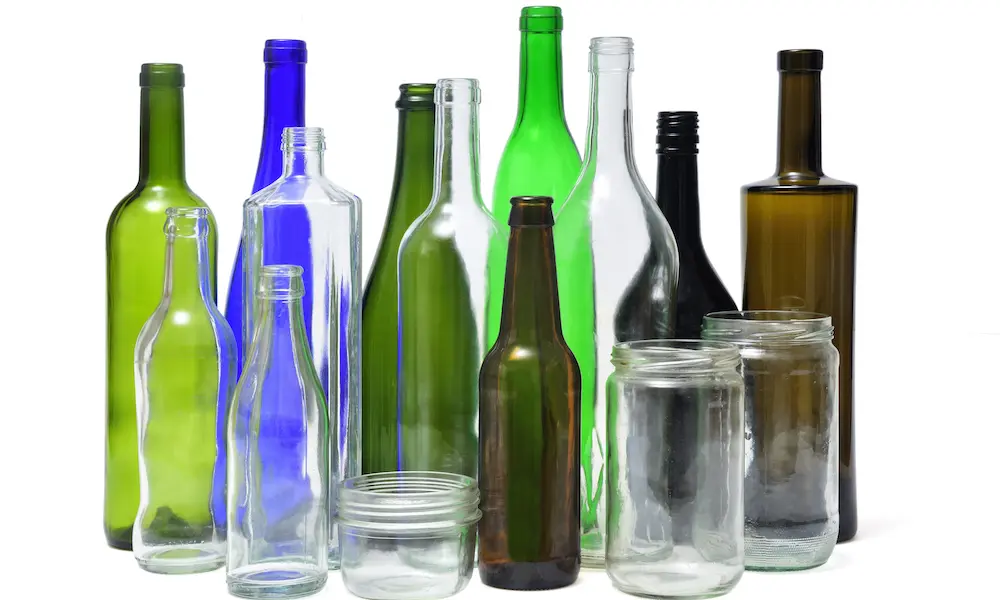
Specialty glass packaging is essential for protecting sensitive liquid formulations, enhancing product usability, and elevating brand positioning.
Key Takeaways
- Specialty glass is crucial for maintaining the integrity, stability, and shelf life of sensitive liquids
- Functional design features, like controlled dispensing, add usability and support accurate dosing
- Material innovation (e.g., colored or violet glass) offers superior protection and enables premium branding
- Sustainable packaging is a business imperative; glass enables circular systems through recyclability and reuse
- Strategic choices in glass type, shape, and color can set products apart in competitive markets and strengthen brand identity
This article explores how glass packaging meets the technical and marketing needs of modern liquid products, with practical tips and examples for businesses seeking to optimize their packaging strategy.
Packaging as Protection for Sensitive Formulations
In many industries, especially food, pharmaceuticals, and natural health products, packaging is directly linked to product stability.
Liquid formulations can be sensitive to light, oxygen, and temperature changes, making container choice an important part of product design.
According to a recent industry report, global demand for glass packaging in the pharmaceutical sector grew by 5% last year, highlighting its increasing importance for sensitive products. (Pharmaceutical Glass Packaging Market To Reach $51.56 Billion By 2033, 2026)
Glass is often used in these applications because it provides a stable, non-reactive barrier. It helps maintain the liquid’s original composition without introducing external influences, which is essential for consistent quality over time.
Functional Design in Liquid Dispensing
For viscous or measured liquids, packaging must do more than just store the product. It also needs to support controlled and hygienic dispensing. This is especially relevant in applications where dosage accuracy matters or where repeated use is expected.
A syrup bottle is a common example of this type of packaging, designed to allow controlled pouring while maintaining product integrity. Its form is typically focused on usability, stability, and ease of handling in daily use.
Light Protection Through Material Innovation
Beyond structural design, the material itself can play a key role in protecting sensitive liquids.
Light exposure can degrade certain ingredients, reducing effectiveness or shelf life. To address this, specialized glass types reduce light transmission while maintaining the benefits of traditional glass packaging. In this context, violet glass bottles are often used for products that need extra protection against light exposure while retaining a premium, distinctive appearance.
Combining Functionality and Product Positioning
Packaging is no longer just about containment. It also communicates product identity and positioning. The choice of bottle shape, color, and material all contribute to how the end user perceives a product.
Best Practices for Businesses
- Evaluate the product’s sensitivity to light and oxygen before choosing glass type
- Select bottle shapes that support both usability and brand differentiation
- Incorporate recyclable or reusable components to align with sustainability goals
Glass packaging, especially in darker or colored variants, is often associated with higher quality, natural formulations, and careful production processes. This perception can play an important role in competitive product categories.
Sustainability and Long-Term Usability
Glass remains one of the most sustainable packaging materials because it is recyclable and can be reused. It can be processed repeatedly with minimal quality loss, making it suitable for circular packaging systems.
In addition, durable glass packaging often encourages reuse in consumer environments, further extending its lifecycle and reducing overall environmental impact.
Packaging as Part of Product Experience
Ultimately, packaging influences how a product is experienced from the first interaction. It affects usability, perception, and trust. In liquid products especially, the combination of functional design and material choice determines both performance and user satisfaction.
By integrating protection, usability, and visual identity, glass packaging remains central to how modern liquid products are designed and delivered.
Advances in glass technology—such as violet glass for enhanced light protection—help brands reduce spoilage and elevate perceived value. Glass packaging also supports sustainability objectives, as it is highly recyclable and reusable, and is increasingly associated with premium and natural product categories.