





Packaging Choices That Save Cosmetics Brands Money and Hassle

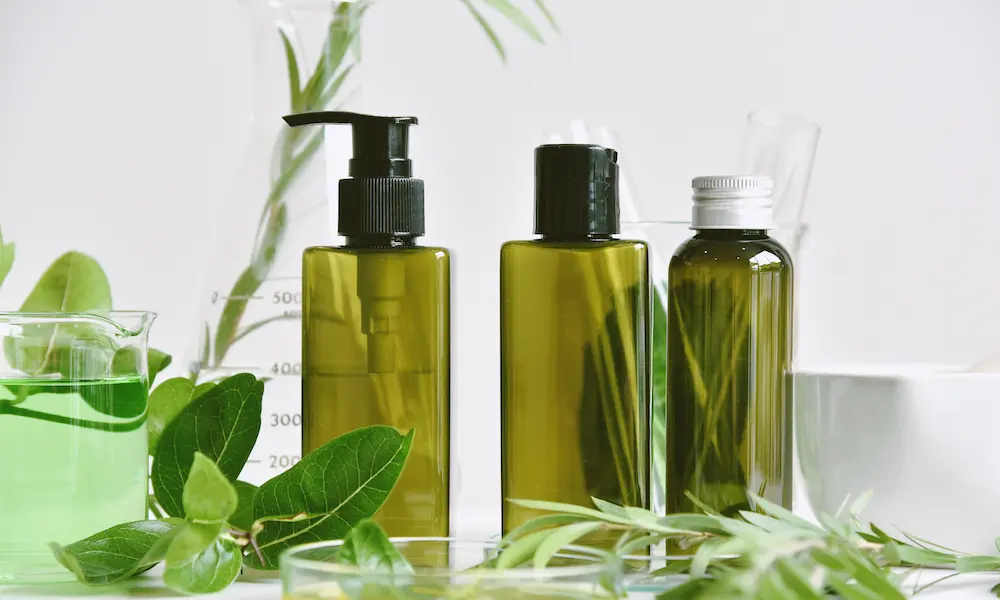
Packaging is no longer the last step in the cosmetics industry; it’s a design decision that directly affects your margins, planning, and long-term business success.
As a business owner launching serums, lotions, or oils, your bottle choice shapes not only your product’s first impression, but also its shelf life, customer experience, and logistical efficiency.
Making packaging choices early helps you avoid costly rework, streamline production, and build a consistent, professional brand image that earns customer trust.
Key Takeaways
Packaging impacts costs, efficiency, and brand perception from the start. Standardization and testing prevent costly mistakes as you scale. Trends like sustainability and bottle design influence purchasing decisions.
Why Cosmetics Packaging Is a Supply Chain Decision
Even with an excellent formula, poor packaging decisions can create costly risks at every stage. You could face leakage during transport, oxidation from too much air exposure, or customer complaints if a pump doesn’t dose properly. These issues make packaging a supply chain decision, as each one affects your reputation and bottom line.
What are the key functions of good packaging?
- Good packaging protects products from light, oxygen, and contamination, especially for active ingredients
- Another key function is brand positioning through shape, glass clarity, and finish, such as frosted or opal
- Standard formats, predictable outer packaging, and reliable closures also improve operational efficiency
Three Trends Influencing Your Purchasing and Development
As a business owner, track not only aesthetic trends but, more importantly, practical trends that directly impact your costs, efficiency, and ability to scale. These trends show how packaging decisions connect design, purchasing, and growth.
1. Sustainability and reuse
Glass remains popular because it is highly recyclable and has a high-quality look. Brands increasingly choose reusable packaging or refill concepts. That calls for a bottle that feels sturdy, is easy to clean, and still looks presentable after multiple cycles.
2. Standardization of neck sizes
Purchasing teams increasingly steer toward standard neck finishes such as 18/400 and 24/410.
A neck finish is a set of measurements that describes the dimensions of a bottle’s opening and how the closure fits onto it. For example, ’18/400′ means the bottle opening is 18 millimeters in diameter and the closure threads match the ‘400’ industry standard. This makes it easier to swap closures, source faster, and bring multiple product lines under one packaging platform.
The end result is less dependence on a single supplier and fewer delays when scaling up.
3. Differentiation through bottle design
While labels can be changed quickly, the bottle remains a strong brand anchor. Square or rectangular cosmetic bottle designs stand out on the shelf and in e-commerce imagery. Finishes such as matte glass support a clean or dermo-cosmetic positioning, while amber glass helps with light-sensitive formulas.
Checklist for a Technically Sound Choice
Use this checklist to help you make technically sound packaging decisions that fit your budget, operations, and growth plans. Each step connects the product choice to the next technical decision.
Volume
Determine the volume in ml based on usage duration and price positioning.
Glass variant and colour
Choose glass variant and colour, such as clear flint, opal white, or amber brown, based on light sensitivity and desired look.
Neck finish
Fix the neck finish and check compatibility with your closure.
Test
Test the dosing system with your formula, considering viscosity, alcohol percentage, and oils. To do this, fill a few sample bottles with your actual product, assemble the closure or pump, and test for even dosing. Try using the bottle yourself and measure how much product dispenses with each pump or pour.
Check for issues such as leakage, sputtering, or leftover product at the bottom, and repeat with both thicker and thinner versions if your formula varies. This hands-on approach helps ensure the packaging delivers a reliable customer experience from the start.
Packaging
Check outer packaging and minimum order quantity (MOQ) so planning and cash flow line up. MOQ refers to the smallest number of units that a packaging supplier will produce or sell in a single order. Understanding MOQ is important because it affects your inventory levels, storage needs, and upfront investment.
Choosing packaging with a reasonable MOQ helps you avoid tying up too much capital while ensuring you have enough stock to meet demand.
From Loose Components to a Packaging System
A bottle is only complete once it works together with the right closure. For many skincare products, a pump is the logical choice: hygienic, dosable, and suitable for daily use.
The pump, dip tube, and neck size must work as one system, because a small mismatch can cause sputtering, oversized doses, or leftover product that won’t come out of the bottle.
Those wanting to explore innovative glass packaging solutions can start with cosmetic bottle packaging. There, you will find glass cosmetic bottles organized by volume, shape, and neck finish. For the final piece of the system, matching pump caps are essential so the bottle and dosing fit together technically.
Summing Up
Cosmetics packaging is a strategic business decision that shapes product quality, brand experience, and operational costs.
By standardizing early on key factors like bottle size, glass variant, and neck finish, and by testing closures with your actual formula, you can avoid unexpected costs and delays as your business scales.
A short test phase and a fixed set of specifications allow you to build a packaging platform that supports growth and protects margins.